 Skip to navigation
Skip to main content
Skip to navigation
Skip to main content 

Blog
Inflammation

What Inflammation Does to Your Body
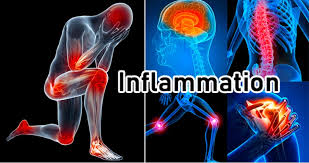
For starters, inflammation isn’t all that bad when it’s controlled. It’s actually an important part of healing and tissue regeneration, and it’s a crucial protective mechanism for the body against infections, environmental toxins, injury, and stress. Inflammation causes the release of cytokines, which are natural chemicals that stimulate the cells to start the process of healing and repair. On the flip side, inflammatory cytokines are destructive to normal healthy cells. So if your body has to work over and over again to repair itself, it irritates the healthy cells, leading to more inflammation and tissue destruction (i.e., arthritic pain and continued degeneration).
The mechanism of inflammation involves the immune system. The immune system works to protect the body and tissues from injury and infections in two different ways:
1. Vascular: to deliver more nutrients and oxygen via the blood to repair the damaged tissue.
2. Cellular: to remove the waste from the area and protect the tissue from further damage.
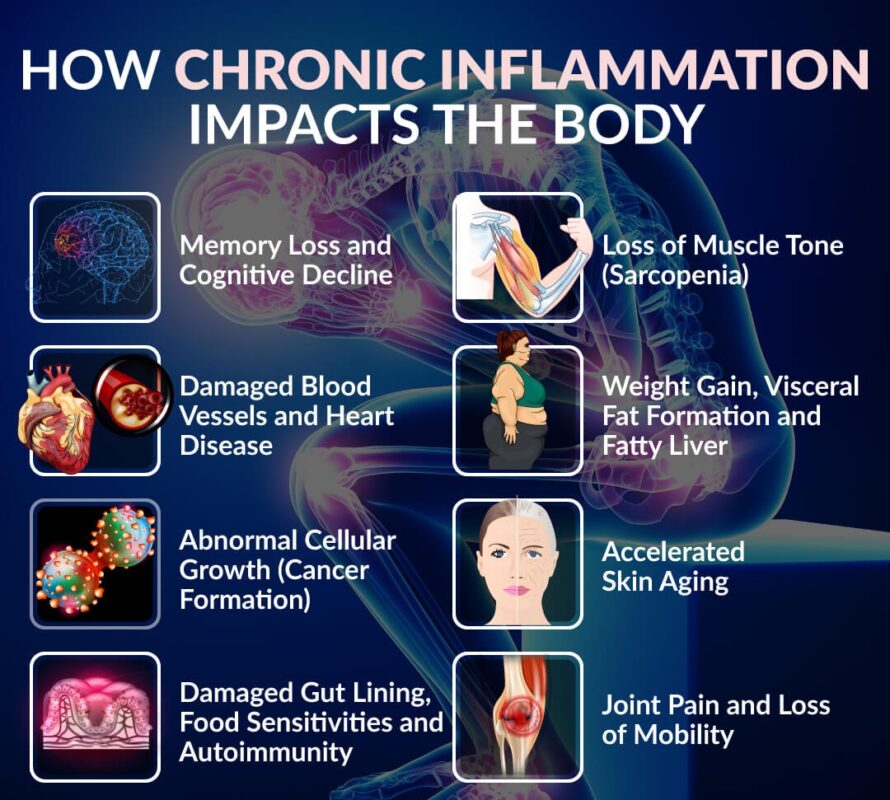
The majority of the long-term implications of inflammation are the impact it has on overall health and longevity. Chronic inflammation is also nicknamed the ‘silent killer.’ Chronic inflammation, or prolonged inflammation, is associated with an increase in all degenerative diseases, such as cancer, heart disease, arthritis, diabetes, and Alzheimer’s disease.
Chronic prolonged inflammation really is the basis for all chronic disease.
Chronic inflammation is caused by continuous insults to the body, such as:
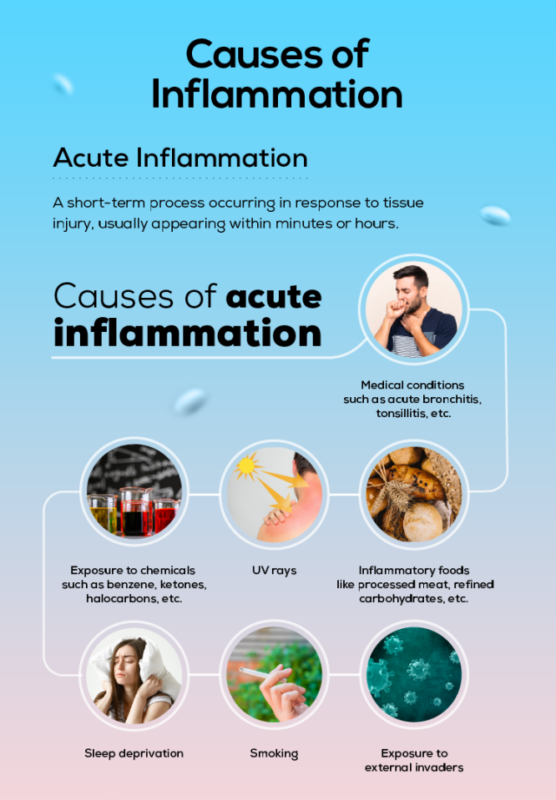
Poor diet: Many foods, particularly processed & refined foods, can be pro-inflammatory. These types of foods actually create a stress response, which elicits an inflammatory response. The body sees these foods as a stressor that creates cellular havoc. Nutrient deficiencies are also associated with increased inflammation.
Poor lifestyle: Lack of exercise, alcohol, smoking, medications, and environmental pollutants are all factors that create cellular free radical damage that the body then responds to with an inflammatory response to try and protect itself, but the insults are generally constant, and so therefore is the inflammation.
Chronic infections: Acute inflammation is very powerful at protecting itself from damage and stimulating tissue repair and cell cleanup. With the stress of long-term infections, it can be associated with an increase in heart disease, dementia, and cancer.
An example may be the correlation of gum disease and heart disease.
Chronic injury: Repeated or serious injuries to tissue that is unable to heal will create inflammation.
Stress: Emotional and physical stress creates a response that stimulates inflammation.
Lack of sleep: This is a type of physical stress that stimulates inflammation. During sleep loss inflammatory mediators of inflammation are altered.
Elevated blood sugar levels: High blood sugar increases the risk of a number of diseases, particularly diabetes, heart disease, and cancer, due to the increases in inflammatory mediators.
Visceral fat & obesity: Fat surrounding the vital organs emits inflammatory stimulus and increases the risk of chronic disease.
Chronic and autoimmune diseases: This covers any type of disease that perpetuates more inflammation, such as autoimmune disease, liver disease, kidney disease, cancer, and arthritis.
Symptoms of Acute Inflammation:
Symptoms of acute inflammation are usually characterized by redness, swelling, pain, and stiffness, but sometimes with long-term inflammation the effects are not obvious until there has been significant damage. Other symptoms that are less obvious are feelings of heat that are constant or intermittent, discomfort, muscle aches and pains, skin rashes, ongoing fatigue, dizziness, feeling generally unwell and sick, increased environmental and food sensitivities and/or allergies, sleeplessness, increased perspiration, and sometimes nothing. When taking a case study as a practitioner, you can generally determine the level of inflammation based on lifestyle factors and medical and family history.
The Beauty of Juicing:
One of the beauties of juicing is the nutrients quell inflammation and really work to reduce the symptoms that people may experience. A drop in body temperature, more energy, improved focus, and feeling better within themselves are highly associated with a significant reduction in systemic inflammation.
Important factors to reduce chronic inflammation:
1. Eat a nutrient- and antioxidant-rich diet: Fruits and vegetables offer a range of nutrients and compounds that offer potent anti-inflammatory benefits. Antioxidants help to neutralize these free radicals from causing harm.
2. Avoid pro-inflammatory foods such as sugar, processed refined carbohydrates, MSG, food additives, trans fats, and processed vegetable oils.
3. Include specific foods that contain anti-inflammatory compounds such as turmeric, ginger, pineapple, omega-3 fats, berries, beets, and dark-colored spices, herbs, fruits, and vegetables. Include these 8 anti-inflammatory nutrients right now!
4. Calorie restriction: Intermittent fasting and calorie restriction have been shown to reduce systemic inflammation.
5. Adequate proper hydration and sleep: This is important to support the normal biochemistry of the body. Learn more ways to support better sleep.
6. Stress management: By reducing cortisol and other stress hormones via prayer and meditation.
7. Abstain from excess alcohol consumption: Alcohol if consumed in high quantities, increases inflammation
8. Lose weight: Even 20 lbs of extra weight can increase inflammation. Even a small loss can be enough to substantially improve your health.
9. Treat infections and consume natural immune-boosting foods such as garlic, lemon, turmeric, ginger, rosemary, oregano, and thyme.
What is inflammation?
Inflammation is your body’s immune system’s response to injuries, infections, or harmful stimuli. It’s a natural process that helps in healing but can be harmful if it becomes chronic.
How does acute inflammation differ from chronic inflammation?
Acute inflammation is a sudden and temporary response to injury or illness, lasting hours to days, and is usually beneficial for healing. Chronic inflammation, however, can persist for months or years, often without obvious symptoms, and can damage healthy tissues, leading to various diseases.
What are the common causes of acute inflammation?
Symptoms of chronic inflammation can be subtle and include fatigue, brain fog, joint pain, digestive issues (bloating, constipation, diarrhea), skin rashes, weight gain, recurrent infections, and mood swings.
What role does the immune system play in inflammation?
The immune system acts as the body’s protective, first-line defense by initiating, managing, and resolving inflammation to fight infection and repair tissue damage. It uses white blood cells to destroy pathogens, releases chemical signals (e.g., cytokines, histamine) to increase blood flow, and promotes healing, although an overactive response can cause chronic, harmful inflammation.
Fighting Inflammation – Harvard Health
What specific foods reduce inflammation?
Foods that help reduce inflammation include fatty fish (like salmon), fresh fruits (especially berries), leafy greens, olive oil, nuts, seeds, garlic, ginger, turmeric, tomatoes, avocados, and green tea. Following a Mediterranean-style diet is often recommended.
What is the connection between stress and inflammation?
Chronic stress triggers long-term inflammation by causing the body to produce excess pro-inflammatory cytokines and increasing stress hormones like cortisol. When chronic, these hormones lose their ability to regulate immune responses, leading to “cortisol resistance” and allowing inflammation to become persistent, which can damage tissues and promote disease.
How much exercise is recommended to reduce chronic inflammation?
Engaging in moderate-intensity exercise, like brisk walking, for 20 to 30 minutes each day can effectively initiate an anti-inflammatory response and help lower chronic inflammation. It’s important to maintain a routine; for instance, aiming for 30 minutes of brisk walking five times a week is advised as an effective strategy for controlling inflammation.
How does sleep deprivation affect inflammatory markers?
Insufficient sleep raises levels of pro-inflammatory substances, particularly interleukin-6 (IL-6) and C-reactive protein (CRP), and stimulates the NF-κB signaling pathway. Even short-term or partial lack of sleep impairs immune response, resulting in widespread inflammation that may increase the likelihood of chronic diseases.
Can an imbalance in gut bacteria contribute to chronic inflammation?
Absolutely, an unequal distribution of gut bacteria, known gut dysbiosis, plays a major role in persistent inflammation. When detrimental bacteria outnumber the beneficial varieties, they generate toxins and stimulate immune reactions that compromise the intestinal barrier, resulting in systemic, low-level inflammation associated with obesity, diabetes, and autoimmune disorders.
What environmental toxins are linked to chronic inflammation?
Environmental toxins, such as heavy metals (like lead, mercury, cadmium, and arsenic), air contaminants (including ozone), and industrial chemicals (such as PFAs, pesticides, and plastics like phthalates and BPA), lead to persistent inflammation by causing oxidative stress and stimulating pathways such as NF-κB. These toxins build up in the body, impairing immune responses, changing gut microbiota, and resulting in long term damage.
Is there a link between inflammation and mental health conditions like depression and fatigue?
Yes, there is a significant connection between ongoing inflammation and mental health disorders, especially depression and fatigue. Increased levels of pro-inflammatory cytokines, like IL-6 and TNF, can lead to “sickness behavior.” This manifests as symptoms such as low mood, exhaustion, and cognitive impairment by affecting brain chemistry, neuroplasticity, and the body’s response to stress.
What are common myths about inflammation?
There is no treatment for chronic inflammation.
Fact: In addition to dietary and lifestyle changes, other treatments can help reduce both the symptoms and the existence of chronic inflammation.
Only old people develop chronic inflammation.
Fact: While age is a risk factor for developing chronic inflammation, it is only one factor, and plenty of young people have chronic inflammation.
There is a vaccine to prevent chronic inflammation.
Fact: Not true. There’s no evidence to back up the claim.
Can smoking directly lead to increased inflammation?
Yes, smoking significantly contributes to persistent inflammation by activating immune reactions in the lungs and other areas of the body. The chemicals in tobacco smoke stimulate the generation of pro-inflammatory cytokines (including TNF-α, IL-1, and IL-6) and elevate white blood cell levels, which results in oxidative stress and tissue damage.
What specific supplements can help reduce inflammation?
Key supplements known to alleviate inflammation are omega-3 fatty acids (found in fish oil), turmeric (curcumin), and vitamin D. Additionally, other proven methods to combat chronic inflammation and relieve pain are Boswellia, ginger, bromelain, spirulina and stone buster https://truehealthandvigor.com/product/stone-buster/
What is a 7-day anti-inflammation action plan?
A week-long strategy aimed at combating inflammation emphasizes the removal of processed items, added sugars, and unhealthy fats from your diet. Instead, it encourages the inclusion of whole foods such as leafy greens, berries, fatty fish, and olive oil. Important tactics involve incorporating high-fiber foods, utilizing spices such as turmeric, and including healthy fats to help reduce levels of markers like C-reactive protein. If you require guidance in creating this plan, please reach out to us https://truehealthandvigor.com/contact-us/
These are the basics for long-term health and longevity with a strong positive impact on reducing systemic inflammation and reducing your risk of many types of diseases.
Note: Supplementing with natural plant enzymes assures healthy digestion and efficient nutrient and oxygen delivery to the cellular system, encouraging efficient cellular function to reduce and eliminate inflammation.Speak with our health and wellness consultant by clicking this link to schedule an appointment https://truehealthandvigor.com/contact-us/ or send us any questions you may have.
